Autism Diagnostic Evaluations for Children

Why it matters

What is the purpose and value of a psychological evaluation?

A psychological evaluation fulfills various purposes, with the primary benefits being diagnostic clarification and guidance for the most effective treatment interventions. Symptom expressions can often have overlap between different diagnoses, and an assessment is useful to differentiate the presentations accordingly for accurate diagnosis.

In turn, an accurate diagnosis then leads to the formation of targeted therapies and interventions that are appropriately tailored for the individual/child. Beyond diagnostic clarity and intervention appropriateness, for some diagnoses, including Autism Spectrum Disorder, most insurers require a psychological evaluation to be completed prior to authorizing recommended treatment.

01

Initial Clinical Interview

Review your child’s developmental history and current concerns (telehealth).

02

Testing & Observation

Structured child assessment and parent questionnaires; some parts may require in-person testing.

03

Data Integration

Evaluator reviews all information to determine whether Autism Spectrum Disorder criteria are met.

04

Report Preparation

Written report summarizing findings, diagnosis, and recommended next steps.

05

Feedback Session

Telehealth meeting to explain results and discuss treatment options.

What we look at

What are the steps involved in completing a psychological evaluation?

A psychological evaluation is typically completed in three steps: initial clinical interview (often completed between the evaluator and parent individually) to review developmental history and symptom presentation, testing (with the specific battery of assessments determined based upon clinical interview; often comprised of questionnaires to be completed by the parent and a time of observation/testing with the child), and a feedback session to review the results, approximately one to two weeks following the date of testing.

Depending upon the selection of assessments, much of the evaluation can be completed virtually via telehealth sessions, although some testing with the child may be required at one of Building Blocks Therapy’s locations across NE Ohio.

01

Communication Skills

Verbal and nonverbal communication, including gestures, speech, and understanding of language.
02

Social-Emotional Skills

Interaction with others, eye contact, emotional expression, ability to engage in shared play.
03

Behavior Patterns

Restricted, repetitive behaviors, routines, sensory sensitivities, and responses to change.
Scope of evaluation

What is included in the evaluations and are there any limitations?

Identifying a significant need in our community for timely evaluations for Autism Spectrum Disorder, Building Blocks Therapy is exclusively focused upon evaluations of children with concerns for this diagnosis.

Given that early diagnosis of Autism has been shown to be critical for access to the leading treatment interventions and the highest success in treatment outcomes, Building Blocks Therapy is focused upon children ages 16 months to 8 years.

Evaluations will strictly focus upon ruling in or ruling out the diagnosis of Autism by reviewing the child’s verbal and nonverbal communication skills, social-emotional skills, and patterns of restricted, repetitive behaviors and are not to be considered a comprehensive diagnostic evaluation in which all DSM-5 diagnoses are considered.

If a child completes an evaluation with Building Blocks Therapy and additional or alternate diagnostic concerns beyond Autism Spectrum Disorder become present during the evaluation process, these considerations will be noted to the parent(s) with a referral to complete further assessment with another provider.

The people behind the process

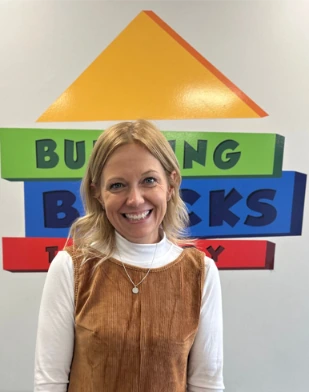
Meet Our Diagnostic Team

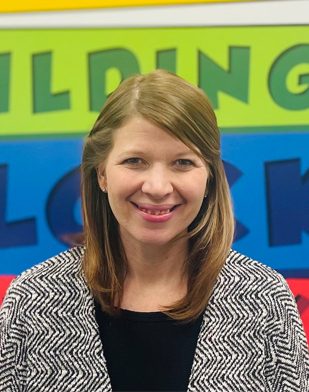
Kandi Stull, Psy.D., LP

Licensed Psychologist

David Mynchenberg, BCBA

Board Certified Behavior Analyst

Savannah Valco, BCBA

Board Certified Behavior Analyst

Jessica Balut, BCBA

Board Certified Behavior Analyst
Behind the results

Who completes the psychological evaluation?

All psychological evaluations are completed and supervised by Dr. Kandi Stull, Psy.D., Licensed Psychologist.

For some evaluations, Dr. Stull may complete all portions of the evaluation (clinical interview, testing, and feedback via telehealth); for others requiring additional in-person testing components, parts of the testing administration may be completed by Board Certified Behavior Analysts (BCBAs) who have completed training upon the particular assessment tool, who then will provide the assessment data to Dr. Stull to incorporate into the diagnostic interpretation process.

All diagnostic impressions are determined by Dr. Stull upon review of all data sources, with a written diagnostic report developed identifying diagnosis as well as treatment recommendations which will then be reviewed with the client/parent during the feedback session.

FAQs

Have a question not answered here? Call us at 216-282-1234 or book a free consultation.

What is the timeline for an evaluation to be scheduled and completed?

After your initial inquiry, a scheduler will follow up within one business day. The evaluation process itself involves an initial clinical interview (telehealth), one or two in-person or virtual testing sessions, and a feedback session. Results are typically available within 1–2 weeks of completing all testing. From first contact to receiving your report, most families complete the process within 3–6 weeks.
Evaluation costs vary depending on insurance coverage. Most major insurance plans — including Medicaid, United Healthcare, Anthem, Aetna, Medical Mutual, Cigna, and others — cover psychological evaluations for Autism Spectrum Disorder. Our team will work with you to verify your coverage before the evaluation begins. Please contact us directly for specific pricing information.

You can schedule an evaluation by calling us at 216-282-1234 or by filling out our online contact form. A physician referral may be required by your insurance plan — our team will let you know during intake. You do not need a referral to contact us and begin the process.

Licensed Psychologist

Kandi Stull, Psy.D., LP

Kandi Stull, Psy.D, is a licensed clinical psychologist specializing in psychological assessment, particularly Autism Spectrum Disorder evaluations. After nearly a decade in event planning and marketing, she transitioned into psychology to better support individuals seeking personal understanding and emotional clarity. Her professional interests center on childhood development, neurodevelopmental disorders, family systems, and attachment, using an integrated approach that considers both biological and environmental influences.

Board Certified Behavior Analyst

David Mynchenberg, BCBA

Paige chose to pursue this career after gaining experience working with populations of various developmental disabilities. She has a particular interest in individuals with Autism Spectrum Disorder (ASD) who also have comorbid diagnoses, such as GAD, OCD, ODD, and ADHD. Paige holds degrees, licenses, certifications, and special training in ABA. She is passionate about advocating for and providing care and service to those who may have a disability and/or need additional support, so that they may lead fulfilling lives. Paige is currently working at Building Blocks Therapy, where she enjoys making a difference in the lives of their clients and being part of a compassionate and committed team.

Board Certified Behavior Analyst

Sarah James, BCBA

Sarah, a dedicated ABA professional, was initially drawn to the field by her fascination with understanding human behavior. Her journey in ABA, particularly in Autism, deepened her commitment as she witnessed its profound impact on children and families. Sarah excels in teaching functional language skills, behavior reduction, and feeding therapy, focusing on enhancing children’s social interactions. With experience across a range of settings, from homes to schools and clinics, Sarah has worked with individuals aged 2 to 65 with various developmental and mental health disorders. Her approach emphasizes skill-building in communication, social interaction, and adaptive living, aimed at fostering independence and joy in familial and community life. Sarah’s passion lies in helping children communicate and engage with the world meaningfully. At Building Blocks Therapy, she values the company’s emphasis on joy and work-life balance.

Board Certified Behavior Analyst

Jessica Balut, BCBA

Jessica Balut is a professional in the field of Applied Behavior Analysis (ABA) with a strong background in psychology, international education, and caregiver training. Her journey began while working as a nanny for a child with ASD, where she saw firsthand the meaningful impact of ABA on both development and family life. This experience inspired her to pursue ABA as a career. Jessica has diverse experience applying behavior management strategies across various settings, including working with large families with special needs, serving as an Assistant Houseparent in a boarding school, and spending five years in Nanchang, Jiangxi, China. There, she first worked as an ESL teacher before becoming the Director of International Academics, overseeing and training a team that grew from 4 to over 40 international teachers. Her global experience strengthened her interest in multiculturalism, cross-language communication, and advocacy.

Clinical Director

Erin Bailosky-Arter, BCBA

While in college, Erin worked as a nanny for a child with ASD and was inspired to pursue a career working with children on the spectrum. Erin loves working on social skills development and executive functioning skills and enjoys training and teaching others. Erin has worked with kids of all ages, has a Bachelor of Arts in Organizational Leadership, a Master of Education, and is a Board Certified Behavior Analyst. Erin is passionate about ABA and working with children and families affected by Autism Spectrum Disorder. She loves working at Building Blocks Therapy because it is child-centered, flexible, and offers custom-made treatment plans to each child.